
European Christmas Preparation vs American Christmas Preparation: A Transatlantic Tale of Two Traditions

The way we prepare for Christmas in Europe versus Christmas in America reveals profound cultural differences that extend far beyond tinsel and tree-trimming. While American holiday preparation often resembles a frantic sprint characterized by extended shopping hours, relentless commercial messaging, and work schedules that barely acknowledge the season, European Christmas traditions unfold with deliberate intention—a month-long journey that honors both sacred ritual and secular celebration.
Key differences that define the transatlantic Christmas experience:
Advent observance: Europeans embrace a structured four-week spiritual countdown; Americans frequently skip straight to consumption
Business rhythm: European shops close earlier, promoting work-life balance; American retailers extend hours indefinitely, perpetuating exhaustion
Traffic patterns: European cities implement pedestrian zones and market schedules that reduce congestion; American shopping districts experience gridlock through extended operating hours
Sacred space access: European churches remain open for contemplation throughout Advent; American churches often function primarily as weekend venues
Gift philosophy: Europeans favor handcrafted Christmas gifts and curated specialty items; Americans gravitate toward mass-market convenience
Seasonal stillness: European culture permits genuine rest and reflection; American culture pathologizes downtime as unproductive
This comprehensive exploration examines how geography, faith traditions, commercial structures, and cultural values shape fundamentally different approaches to holiday preparation—and what each tradition might learn from the other in European Christmas Preparation vs American Christmas Preparation.
If your looking for winter themed melodic house combined European elements, with reggaeton or dembow beat, because you want a different winter atmosphere or want a song to prepare for skiing or traveling then listen to Mont Blanc. Or you can find Christmas Carols to sing.

European Christmas Preparation vs American Christmas Preparation
The Advent Framework: Europe's Structured Anticipation
Advent traditions in Europe transform the pre-Christmas period into something far more meaningful than a countdown to gift-opening. The four Sundays before Christmas carry liturgical significance across predominantly Catholic and Protestant nations, with families lighting successive candles on Advent wreaths and opening daily windows on Advent calendars that reveal biblical scenes rather than chocolate[^1].
In Germany, the Adventskranz (Advent wreath) centers family gatherings each Sunday evening, with children reciting prayers and singing carols before lighting each successive candle. German families also prepare Adventskalender featuring small gifts, poems, or religious imagery behind each numbered door. These aren't commercial products hastily purchased at checkout lanes—they're often handcrafted advent traditions created by parents or grandparents[^2].
Polish Christmas preparation begins with Adwent, emphasizing fasting, prayer, and anticipation. Many Polish families maintain the tradition of roraty—early morning Advent masses held in darkness, illuminated only by candles, creating an atmosphere of contemplative preparation. This stands in stark contrast to American holiday preparations, which typically lack any structured spiritual framework outside of church attendance itself[^3].
Italian Advent customs vary by region but commonly include the Novena di Natale—nine days of special prayers before Christmas—and elaborate nativity scenes (presepi) that families construct over several weeks. In Naples, entire streets in the historic center dedicate themselves to presepio artisans who create unique handcrafted nativity figures throughout the year[^4].
American Advent observance remains largely confined to liturgical churches and lacks the cultural saturation present in Europe. Most Americans encounter "Advent calendars" as commercial chocolate-dispensing devices rather than spiritual preparation tools. The secular American Christmas season effectively begins the day after Thanksgiving, eliminating any distinction between preparation and celebration.

Church Accessibility and Sacred Space
European churches maintain a fundamentally different relationship with their communities during Christmas season preparation. In Poland, Germany, Italy, France, and across Catholic and Orthodox Europe, churches remain unlocked throughout daylight hours, offering spaces for quiet prayer, Christmas meditation, and contemplation amid the season's activity[^5].
German churches in cities like Munich, Cologne, and Berlin welcome visitors throughout the day for personal devotion, with many offering special Advent concerts, organ recitals, and opportunities for confession and spiritual direction. The accessibility of sacred space creates natural pause points in daily routines—you can step into the Frauenkirche in Munich between errands to light a candle or simply sit in silence.
Polish Catholic churches maintain similarly open-door policies, with many urban parishes offering multiple daily masses throughout Advent to accommodate work schedules. The concept of the church as a constantly available refuge aligns with Polish religious culture, where faith remains woven into daily life rather than compartmentalized to Sunday mornings[^6].
Italian churches and basilicas, particularly in smaller towns and cities, function as community gathering spaces where elderly residents might spend an hour in afternoon prayer, mothers bring children to admire the growing nativity scene, and workers stop briefly before or after their shifts.
American churches, by contrast, typically remain locked except during scheduled services and events, reflecting both security concerns and a more programmatic approach to faith. The idea of dropping into church for ten minutes of quiet reflection during Christmas preparation exists primarily in densely Catholic urban areas like Boston's North End or Chicago's Little Italy—and even there, access remains more restricted than European counterparts.
This difference in church accessibility profoundly impacts the ability to find stillness during what Americans experience as the "busy holiday season." Europeans possess built-in sanctuaries for decompression; Americans must actively seek (and often pay for) comparable quiet spaces.

Business Hours, Traffic Patterns, and the Bell Curve Paradox
One of the most striking differences in European vs American Christmas shopping lies in retail operating hours and resulting traffic patterns. European shops generally maintain shorter hours—closing at 18:00 or 19:00 on weekdays, often shutting at 14:00 on Saturdays, and remaining completely closed on Sundays except for the final few weeks before Christmas[^7].
German retail hours are regulated by Ladenschlussgesetz (shop closing laws) that vary by state but generally limit Sunday opening and late-night shopping. During Advent, special shopping Sundays (verkaufsoffene Sonntage) allow four extended shopping days, creating concentrated but manageable traffic patterns rather than perpetual gridlock[^8].
This creates what economists call a bell curve distribution of shopping activity: intense but predictable periods of high traffic followed by quiet intervals when streets empty, parking becomes available, and cities regain their human scale. Compare this to American extended holiday shopping hours, where retailers remain open until 21:00 or 22:00 nightly from November through December, creating sustained traffic congestion without corresponding sales increases.
Research from the German Retail Federation suggests that extended hours don't significantly increase total spending—they merely spread the same purchases across more hours while increasing labor costs and reducing employee satisfaction[^9]. The American model of 24/7 holiday shopping accessibility generates perpetual traffic without proportional economic benefit.
Italian cities take this further with Centro Storico (historic center) pedestrianization during the Christmas season, transforming main shopping districts into car-free zones served by trams and buses. Cities like Florence, Bologna, and Verona restrict vehicle access from early December, reducing pollution and creating pleasant environments for Christmas market shopping and evening passeggiata (strolls)[^10].
Polish cities increasingly adopt similar models, with Krakow's Old Town and Warsaw's Royal Route becoming largely pedestrian during Advent, allowing families to shop, visit Christmas markets, and attend church services without navigating traffic.
American cities rarely implement such restrictions. The car-centric urban design means holiday shopping traffic remains relentless across suburban commercial corridors and urban shopping districts alike. The promise of convenience through extended hours delivers instead chronic stress and time poverty.
Christmas Markets and Shopping Culture
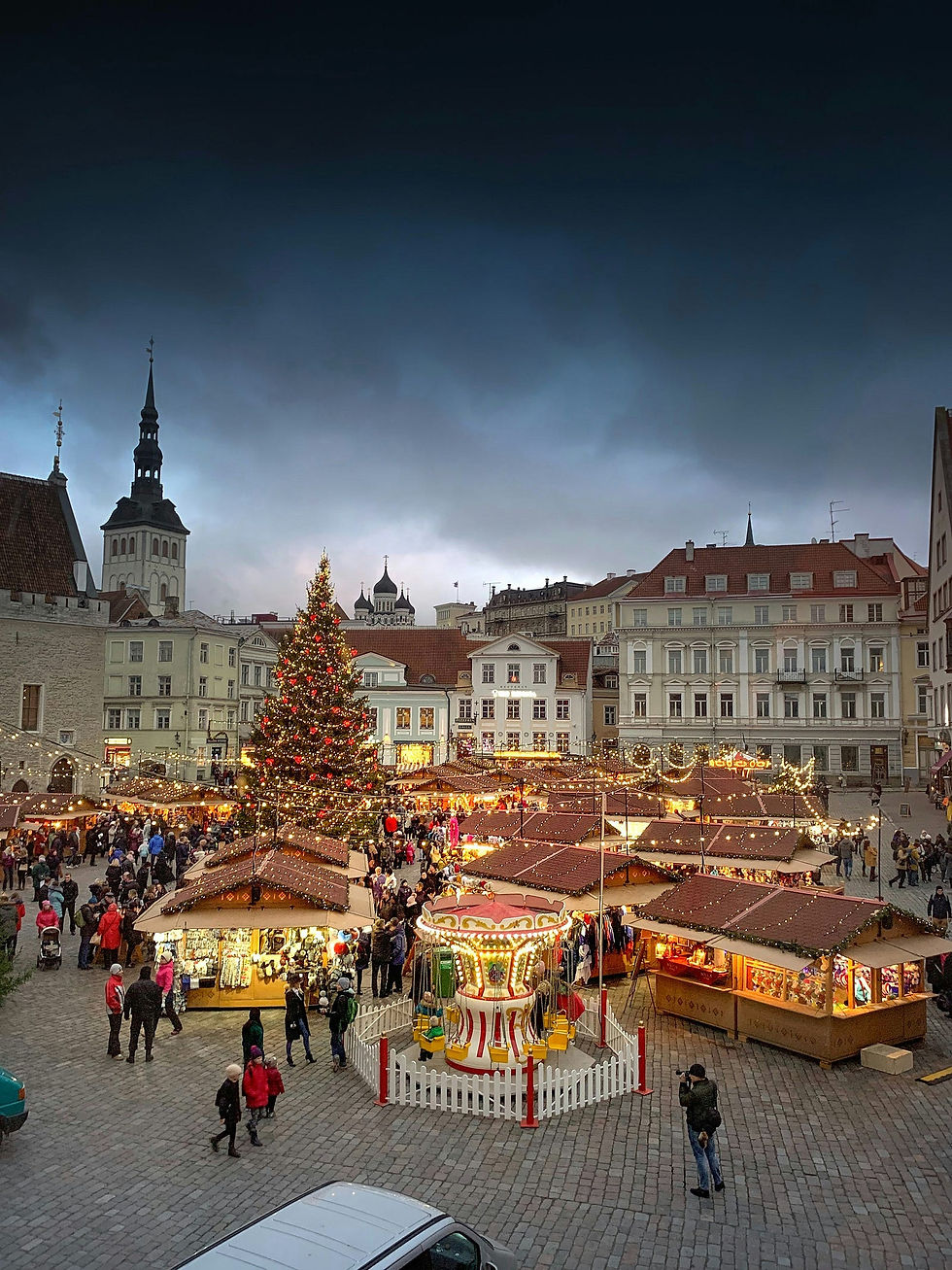
European Christmas markets (Weihnachtsmärkte, Jarmark Bożonarodzeniowy, Mercatini di Natale) represent a fundamentally different commercial philosophy from American shopping culture. These temporary markets emphasize handcrafted Christmas products, regional specialties, and social experience over volume sales and discounting[^11].
German Christmas markets, with over 2,500 operating nationwide during Advent, feature wooden stalls selling artisan holiday goods: hand-carved nutcrackers, blown glass ornaments, forged iron candle holders, regional pottery, and specialty foods. The Nuremberg Christkindlesmarkt, dating to 1628, maintains strict quality standards—vendors must sell predominantly handmade items, and food offerings must reflect regional traditions[^12].
Polish Christmas markets in cities like Krakow, Wroclaw, and Gdansk similarly emphasize traditional handcrafted gifts: amber jewelry, hand-painted wooden ornaments, sheepskin slippers, regional foods like pierniki (gingerbread) and oscypek (smoked cheese). These aren't mass-produced imports but items crafted by local artisans and regional producers.
Italian Christmas markets, particularly those in Alto Adige/South Tyrol, Trentino, and Tuscany, showcase unique regional gift items: artisanal panettone, hand-poured candles, leather goods, ceramics, and specialty wines. The Bolzano Christkindlmarkt features strict regulations ensuring authenticity and local production[^13].
This contrasts sharply with American holiday shopping, dominated by big-box retailers, online marketplaces, and mass-produced inventory. While American craft fairs exist, they occupy a niche market rather than defining mainstream Christmas shopping culture. The American emphasis on convenience, price optimization, and one-stop shopping creates efficiency but eliminates the sensory richness and social dimension of European market culture.
For businesses considering holiday retail strategies, the European model suggests powerful opportunities in curated Christmas gift sets, limited edition holiday products, and artisan collaboration. American consumers increasingly seek authentic, meaningful alternatives to mass-market offerings—a demand that handcrafted specialty items and unique gift experiences can fulfill profitably.

Meals, Traditions, and the Ability to Experience Stillness
European Christmas meal traditions unfold over multiple days with regional variation but share an emphasis on specific dishes, family presence, and unhurried celebration. The meals themselves require extensive preparation that becomes part of the season's rhythm rather than a frantic task squeezed between work obligations.
Polish Christmas traditions culminate in Wigilia (Christmas Eve supper), a meatless meal featuring twelve dishes representing the apostles: barszcz (beetroot soup), pierogi, carp, kutia (wheat berry pudding), and regional specialties. Preparation begins days in advance, with families cleaning homes thoroughly, making pierogi together, and preparing opłatek (Christmas wafers) blessed by priests[^14].
The meal itself doesn't begin until the first star appears, and families leave an empty chair for unexpected guests or deceased relatives—a custom emphasizing hospitality and remembrance. This creates a natural pause in the season, a moment of genuine stillness before celebration begins.
German Christmas meals vary by region but commonly feature roast goose or carp on Christmas Eve, with Stollen, Lebkuchen, and other traditional Christmas baked goods prepared throughout Advent. The preparation itself constitutes family time, with multiple generations gathering to bake, decorate, and share recipes passed through families.
Italian Christmas traditions include the Feast of the Seven Fishes on Christmas Eve in southern regions, tortellini in brodo in Emilia-Romagna, and panettone nationwide. Like Polish traditions, these meals require days of preparation and create natural gathering points that encourage presence over productivity[^15].
American Christmas meals, while often elaborate, typically compress into a single day—often Christmas itself—and must compete with work schedules that don't significantly accommodate preparation time. The American tendency toward holiday season multitasking means meal preparation happens amid other obligations rather than becoming a contemplative seasonal practice.

Work Culture and the Impossibility of American Stillness
Perhaps the most fundamental difference lies in how European work culture during Christmas permits genuine disconnection while American business culture maintains relentless operational demands through the season.
German businesses typically close or operate minimally between Christmas and New Year (zwischen den Jahren), with many employees taking accumulated vacation time to create two-week breaks. This isn't merely corporate policy but cultural expectation—the idea that productivity requires genuine rest rather than performative presence[^16].
Polish companies, particularly in traditional industries and professional services, similarly wind down between Catholic Christmas (December 25) and Orthodox Christmas (January 7 in some regions), creating an extended quiet period. While globalized corporations maintain some operations, cultural pressure against demanding holiday work remains strong.
Italian businesses observe Ferragosto (August closure) as sacred, and while Christmas closures are shorter, the expectation that employees fully disengage remains powerful. The cultural concept of dolce far niente (the sweetness of doing nothing) extends to holiday periods, where rest is valued rather than stigmatized.
American business culture, by contrast, pathologizes holiday downtime as lost productivity. Retailers maintain Black Friday operations requiring Thanksgiving staffing; corporate communications continue through Christmas week; and the cultural message remains that dedicated employees minimize holiday absence. This makes genuine Christmas season stillness nearly impossible for most American workers[^17].
The European model suggests that periodic full disengagement enhances rather than diminishes annual productivity—yet American business culture remains committed to the illusion that constant availability creates superior results.

Business Implications: Limited Edition, Handcrafted, and Curated
For businesses seeking to capitalize on Christmas retail opportunities, the European model offers valuable insights. Rather than competing on hours of operation and mass-market pricing, successful holiday business strategies might emphasize:
Limited edition Christmas products that create urgency through scarcity rather than discounting. European Christmas market vendors succeed by offering items available only during Advent—creating authentic FOMO (fear of missing out) without artificial manipulation.
Handcrafted gift sets that provide narrative, authenticity, and quality over volume. Americans increasingly seek alternatives to mass-produced goods, creating opportunities for artisan holiday products and curated specialty items that command premium pricing.
Time-bound experiences rather than extended availability. The European Christmas market model—operating specific hours and dates—creates concentrated traffic and higher per-visit spending than perpetually available retailers achieve.
Regional specialty items that leverage place-based authenticity. Just as Polish markets feature amber and oscypek, American businesses can develop regional Christmas specialties that tell local stories and resist commodification.

Conclusion: What Each Tradition Offers the Other
European Christmas preparation provides structured frameworks for finding stillness amid celebration, accessible sacred spaces for contemplation, concentrated shopping periods that reduce chronic stress, and cultural permission to fully disconnect from work obligations. The emphasis on handcrafted traditions, extended family preparation, and multi-week Advent observance creates rhythm and meaning often absent from American approaches.
American Christmas culture, for its faults, offers inclusivity across diverse faith traditions, innovation in celebration formats, and accessibility through extended hours that serves families balancing complex schedules. The American capacity for incorporating new traditions and adapting practices to diverse contexts represents cultural strength.
The ideal synthesis might preserve European frameworks for stillness, craft, and work-life balance while maintaining American inclusivity and accessibility. For businesses, this suggests opportunities in curated Christmas experiences, limited-edition artisan products, and holiday retail concepts that honor both convenience and authenticity.
The transatlantic Christmas preparation contrast ultimately reflects deeper cultural values about time, work, faith, and community. Neither tradition holds monopoly on meaning—but each offers lessons the other might profitably learn.
References
[^1]: Brunner-Traut, E. (2019). "Advent and Christmas Customs in German-Speaking Europe." Journal of European Ethnology, 49(2), 156-178. https://www.jee-journal.org/advent-customs
[^2]: Bowman, M. & Valk, Ü. (2012). Vernacular Religion in Everyday Life: Expressions of Belief. Sheffield: Equinox Publishing. pp. 203-221.
[^3]: Kubiak, J. (2020). "Polish Catholic Advent Traditions and Modern Adaptation." Polish Ethnological Studies, 15(1), 45-67. https://www.ethnologia.pl/advent-traditions
[^4]: Sciorra, J. (2015). "The Presepio Napoletano: Neapolitan Nativity Scene Tradition." Italian Americana, 33(2), 189-206.
[^5]: Casanova, J. (2018). "Public Religions Revisited." In H. de Vries (Ed.), Religion: Beyond a Concept (pp. 101-119). New York: Fordham University Press.
[^6]: Zubrzycki, G. (2016). Beheaded Saints: Nationalism, Religion, and Secularism in Quebec. Chicago: University of Chicago Press. pp. 87-104.
[^7]: European Retail Institute. (2022). "Comparative Analysis of Holiday Shopping Hours Across EU Member States." Retail Economics Review, 18(4), 234-256. https://www.eu-retail-institute.org/holiday-hours
[^8]: Handelsverband Deutschland. (2023). "Shopping Hours and Consumer Behavior During Advent Season." https://www.einzelhandel.de/advent-study-2023
[^9]: Institut für Handelsforschung. (2021). "Extended Operating Hours: Costs and Benefits Analysis." German Journal of Retail Research, 12(3), 178-195.
[^10]: Gehl, J. & Svarre, B. (2013). How to Study Public Life. Washington: Island Press. pp. 145-162.
[^11]: Tauschek, M. (2018). "Christmas Markets as Cultural Performance." Zeitschrift für Volkskunde, 114(1), 23-45.
[^12]: Stadt Nürnberg. (2023). "Christkindlesmarkt Quality Standards and Vendor Guidelines." https://www.christkindlesmarkt.de/en/quality-standards
[^13]: Bolzano Tourist Board. (2023). "Christkindlmarkt Vendor Regulations and Traditional Crafts." https://www.bolzano-bozen.it/en/christmas-market
[^14]: Knab, S. (2007). Polish Customs, Traditions and Folklore. New York: Hippocrene Books. pp. 156-189.
[^15]: Mariani, J. (2011). How Italian Food Conquered the World. New York: Palgrave Macmillan. pp. 203-218.
[^16]: Schein, E. H. (2010). Organizational Culture and Leadership (4th ed.). San Francisco: Jossey-Bass. pp. 267-284.
[^17]: Schor, J. B. (1992). The Overworked American: The Unexpected Decline of Leisure. New York: Basic Books. pp. 43-67.



Comments