
7 Ways Tart Cherry Extract Fights DOMS Like a Natural NSAID: The Complete Recovery Guide for Soccer and Tennis Athletes

How anthocyanins, COX inhibition, and antioxidant power turn cherries into a legitimate recovery tool
You know the feeling. It's 36 hours after a hard match or a brutal training block, and your legs feel like they belong to someone else. That's delayed onset muscle soreness (DOMS), and if you're serious about performance, it's costing you more than comfort — it's costing you training days. This guide breaks down the real, research-backed science behind tart cherry extract: how it works on your immune and inflammatory pathways, how it stacks up against ibuprofen as a natural NSAID, and exactly how to use it if you play soccer, tennis, or any sport built on repeated sprints and hard stops.
Before you dismiss this as another supplement fad, consider what's actually holding you back:
Soreness that lingers into day 3, cutting into your next training session or match prep.
Taking ibuprofen before every game and quietly worrying about what that's doing to your gut and kidneys long-term.
Inflammation and fatigue that blunt your explosiveness during back-to-back match days or tournament weekends.
Confusion about whether supplements actually work, or if it's all marketing dressed up as science.
If your looking for melodic house combined European elements, with reggaeton or dembow beat, because you are looking for something that is a bit orchestral has some Glockenspiel, and want to experience something different then listen to Podium. You have piano, synth, guitar and more.
Listen/Follow Pavł Polø on Spotify.
Tart Cherry Extract and DOMS
What DOMS Actually Does to Your Body
Delayed onset muscle soreness shows up 24 to 48 hours after unfamiliar or eccentric-heavy loading — think sprint deceleration, cutting, jumping, and hard braking, all staples of soccer and tennis. The soreness itself is downstream of microscopic muscle fiber damage that triggers an inflammatory cascade: white blood cells flood the tissue, reactive oxygen species (ROS) spike, and pro-inflammatory cytokines like IL-6, TNF-α, and CRP rise. That cascade is protective in the short term, but if it runs too hot for too long, it slows your return to full output. This is exactly where tart cherry extract and DOMS earns its reputation.
How Tart Cherry Extract Works on Immune and Inflammatory Pathways
The active compounds in tart cherry extract — primarily anthocyanins like cyanidin-3-O-glucoside — target inflammation at multiple points instead of just masking pain. Research indicates these compounds help suppress NF-κB activation, a master switch inside immune cells that turns on inflammatory gene expression. One controlled trial in older adults found that Montmorency cherry concentrate tended to blunt the exercise-induced rise in NF-κB protein expression in muscle, even though it didn't directly boost muscle protein synthesis.
At the same time, tart cherry extract has been shown to lower circulating markers of oxidative damage. A 2025 systematic review and meta-analysis on polyphenol-rich recovery aids found a meaningful reduction in protein carbonyls — a direct marker of oxidative protein damage — at 72 hours post-exercise. That's your muscle tissue showing measurably less oxidative wear after supplementation.
The Natural NSAID Angle: COX Inhibition vs. Ibuprofen
Here's the mechanism that gets athletes' attention. Ibuprofen and naproxen work by blocking cyclooxygenase enzymes (COX-1 and COX-2), which produce the prostaglandins responsible for pain and inflammation. In vitro research out of Michigan State University found that anthocyanins isolated from tart and sweet cherries inhibited COX enzyme activity at levels comparable to ibuprofen and naproxen at 10µM concentrations. Follow-up work found tart cherry extract specifically associated with roughly 65% inhibition of COX-1 and 38% inhibition of COX-2.
The catch with pharmaceutical NSAIDs is that COX-1 also protects your stomach lining, so blocking it non-selectively is what causes the GI bleeding and ulcer risk tied to chronic ibuprofen use. Preliminary evidence suggests the flavonoid compounds in cherries may spare that protective stomach function even while dialing down inflammatory signaling — though this is based mostly on mechanistic and animal research, not large human GI-safety trials, so it shouldn't be treated as a guarantee.
Tart Cherry Extract vs. Ibuprofen: Quick Comparison
Factor | Tart Cherry Extract | Ibuprofen (NSAID) |
COX-1 inhibition | Yes — extract shown to inhibit COX-1 by roughly 65% in lab assays | Yes — non-selective, blocks stomach-protective COX-1 |
COX-2 inhibition | Yes — around 38% inhibition; anthocyanins comparable to ibuprofen/naproxen at 10µM in vitro | Yes — primary target for pain/inflammation relief |
GI lining effect | Mechanistic/animal data suggest a protective, non-erosive profile | Well-documented ulcer and GI bleed risk with regular use |
Onset of action | Gradual — builds over days of loading, not acute pain relief | Fast — noticeable within 30-60 minutes |
Effect on muscle protein synthesis (mTOR) | No suppression observed in current trials; not shown to stimulate mTOR either | Can blunt the mTOR-driven anabolic response to resistance training in younger athletes |
Best use case | Multi-day loading around tournaments, matches, and heavy training blocks | Acute, short-term pain flare-ups under medical guidance |
The Antioxidants and Polyphenols Behind the Effect
Tart cherry extract carries one of the highest phenolic loads of any commonly consumed fruit. The compounds doing the heavy lifting include:
Anthocyanins, especially cyanidin-3-O-glucoside — the primary COX-inhibiting, ROS-scavenging pigment.
Flavonols and isoflavonoids like quercetin, kaempferol, and genistein — which help inhibit COX-1-triggered inflammatory pathways.
Chlorogenic acid — a phenolic acid with independent antioxidant activity.
Melatonin — present in meaningful amounts and linked to improved sleep quality, which matters because sleep is when most muscle repair happens.
Clinically standardized doses in the strongest studies used roughly 600mg of total phenolic compounds and at least 40mg of anthocyanins per serving — a useful benchmark when comparing products.
ROS, mTOR, and Muscle Fatigue: What the Deeper Science Shows
Exercise naturally spikes reactive oxygen species production in muscle tissue — some of this is adaptive signaling, but excess ROS drives fatigue and tissue damage. Anthocyanins in tart cherry extract act as direct ROS and RNS scavengers, and research suggests they also upregulate your body's own antioxidant enzymes — superoxide dismutase (SOD), catalase, and glutathione peroxidase. One study on skeletal muscle recovery specifically found tart cherry supplementation enhanced glutathione peroxidase expression following muscle damage, supporting faster functional recovery.
On the mTOR side, it's important to be precise rather than promotional: current controlled research in healthy older men found that tart cherry concentrate did not enhance myofibrillar protein synthesis rates through the mTOR pathway, even though it blunted inflammatory NF-κB signaling. In other words, tart cherry extract isn't an anabolic trigger — its real value is calming the inflammatory and oxidative noise that otherwise slows recovery, not directly building muscle. That distinction matters if you're deciding what to stack it with and when.
Tennis Players: Where It Fits Your Game
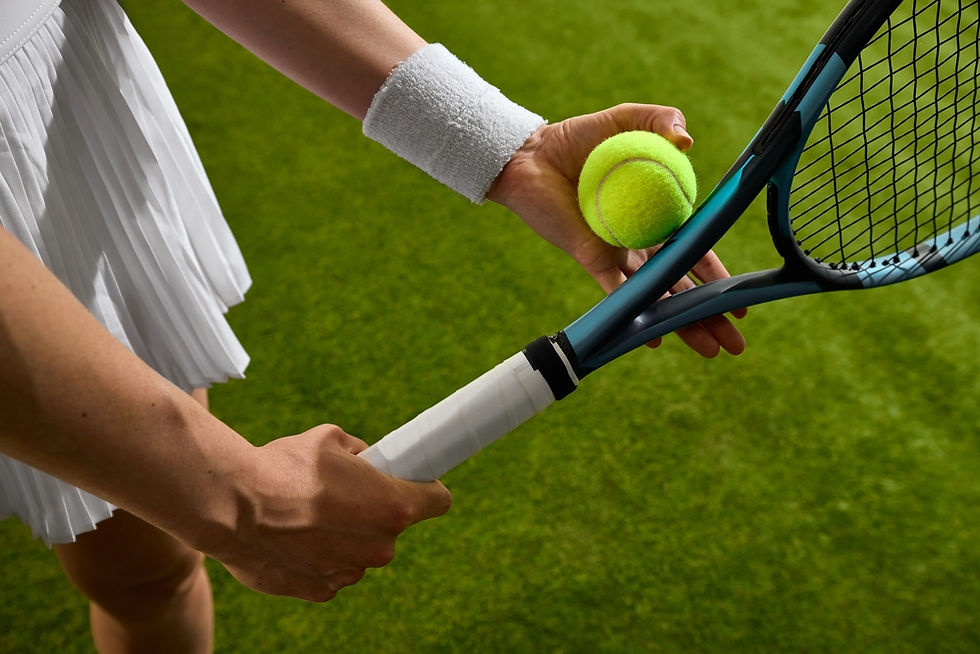
Tennis is built on repeated high-intensity, stop-start actions — explosive first steps, deceleration, and rotational loading on the hips and shoulders across a multi-hour match or a multi-day tournament. Research on repeated sprint exercise protocols, which mirror the physical demands of tennis, shows tart cherry extract supplementation is associated with measurable recovery benefits on strength and functional output between sessions. For a tennis player grinding through qualifying rounds or a heavy tournament draw, loading with tart cherry extract in the days leading into competition is a more evidence-backed strategy than relying on it as a same-day fix.

Soccer Players: Where the Evidence Gets Interesting
Soccer is where tart cherry extract has been studied the most directly — and the results are genuinely mixed, which is worth knowing before you build your protocol around it. A study on semi-professional male soccer players who consumed Montmorency cherry concentrate for eight days around a simulated match protocol showed faster recovery of maximal voluntary isometric contraction at 24 and 48 hours. A separate trial with college soccer players using tart cherry juice around periodized sled-based training found improved strength recovery markers over a placebo. On the other hand, a study in professional soccer players found no significant effect on muscle function loss or soreness after an actual match. The current best-available evidence — a 2026 systematic review and meta-analysis of 19 trials — found tart cherry juice meaningfully improved strength (MVC) recovery at multiple post-exercise time points, though overall certainty of evidence is rated low-to-moderate due to inconsistent findings across studies.
Medications and Conditions That May Interact
Tart cherry extract is a food-derived supplement, not a drug, but it isn't automatically risk-free to combine with everything. Talk to your doctor before regular use if any of the following apply to you:
Blood thinners (warfarin, aspirin, clopidogrel) — tart cherry may increase bleeding risk and can affect INR monitoring.
Diabetes medications or insulin — the natural sugar content in cherry juice can affect blood glucose control and hypoglycemia risk.
Diuretics or blood pressure medications — potential for altered medication effectiveness.
Kidney disease or history of kidney stones — cherries contain oxalates, which can be a concern with high intake.
Gout — cherries are generally studied favorably here, but combine with any urate-lowering therapy only under medical supervision.
Pregnancy, breastfeeding, or known fruit/salicylate allergies.
Latest Research Worth Knowing
The most current evidence, published in April 2026 in Sports Medicine – Open, pooled 19 randomized trials and confirmed a consistent benefit for muscle strength recovery following exercise-induced muscle damage, with effect sizes growing through the 24- to 96-hour post-exercise window. A companion scoping review from the same period reviewed 22 studies specifically on DOMS and found roughly a quarter reported a significant soreness reduction — reinforcing that tart cherry extract is more reliably a strength-recovery aid than a guaranteed pain eliminator. Researchers consistently flag that timing (loading for several days before exercise, not just after) and dose (standardized anthocyanin content) are the biggest variables separating positive from null results.
5 Gold Nuggets
Gold Nugget #1: It's a strength-recovery tool first, a soreness-reducer second.
The strongest and most consistent research supports faster recovery of muscle strength (MVC) after tart cherry extract use — the DOMS-reduction evidence is real but far less consistent across studies.
Gold Nugget #2: Loading beats same-day dosing.
Nearly every positive trial used multi-day loading protocols (often starting 4-7 days before the exercise bout), not a single dose taken right after a match.
Gold Nugget #3: It doesn't touch your gains through mTOR.
Unlike ibuprofen, which can blunt the anabolic mTOR response to resistance training in younger athletes, tart cherry extract has not been shown to suppress muscle protein synthesis — making it a safer companion to a hypertrophy or strength block.
Gold Nugget #4: Dose standardization matters more than brand hype.
Look for products delivering close to 600mg of total phenolics and at least 40mg of anthocyanins per serving — the benchmark used in the studies showing benefit.
Gold Nugget #5: Response varies by sport and competition level.
Semi-pro and college-level soccer studies show clear benefits; elite professional match-day studies have shown null results — individual training load, genetics, and existing inflammation status all play a role.
5 Actionable Steps for Athletes and Students
Step 1: Start loading early.
Begin taking tart cherry extract or juice 4-7 days before a tournament, championship week, or heavy training block — not just the morning after.
Step 2: Match the clinical dose.
Target roughly 600mg total phenolics and 40mg+ anthocyanins daily, split into two servings (morning and evening), whether from concentrate, juice, or a standardized capsule.
Step 3: Time it around your hardest sessions.
Prioritize supplementation windows around your most eccentric-heavy days — match days, plyometric sessions, or hard sprint work — where DOMS risk is highest.
Step 4: Don't double up with NSAIDs unnecessarily.
If you're using tart cherry extract for its anti-inflammatory effect, avoid habitually stacking it with ibuprofen; you're duplicating the mechanism without added benefit and adding GI risk.
Step 5: Clear it with your provider first if you're on medication.
Especially blood thinners, diabetes medications, or if you have kidney disease — get a quick check-in before adding it to a daily routine.
Disclaimer
This article is for educational purposes only and is not medical advice. Tart cherry extract is not a replacement for prescribed medication or professional medical treatment. Always talk to a licensed healthcare provider before starting any new supplement, especially if you take medication or manage a chronic health condition.



Comments