
How to Choose the Right Product to Sell on Amazon through Amazon Product Research: (This Article Provides $50,000+ in Strategic Business Value)
A Comprehensive Data-Driven Guide to Amazon FBA Product Research

If you factor in the cost of doing research, time, cost of services, Amazon product consulting charges, product development, also the cost of inventory and selling a product, the price tag can easily add up to $50,000.
The Marketplace Has Never Been This Loud — Or This Lucrative
There is an art to finding the right product to sell on Amazon, and like most great art, it begins with a question rather than an answer. In a marketplace that hosts over 350 million products and attracts more than 300 million active customers globally, the difference between a seller who builds a quiet, durable business and one who burns through capital chasing the wrong SKU comes down to one thing: informed, data-driven product selection.
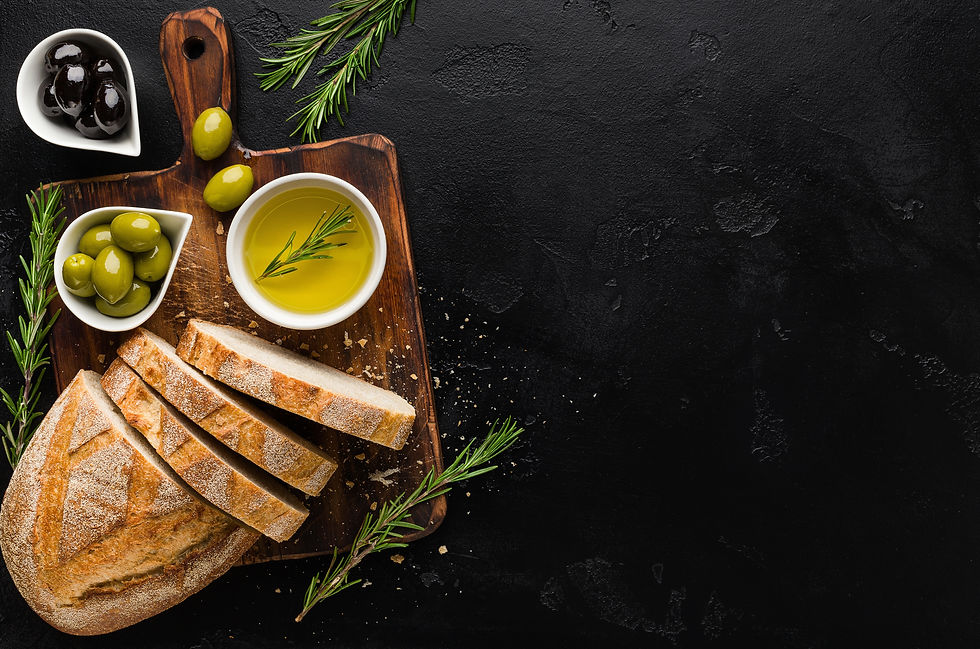
Take cooking oil as an example. On the surface, it looks deceptively simple — oil is oil. But look closer and you will find a global cooking oil market valued at over USD $224 billion in 2024 and projected to climb toward $430 billion by 2034 at a CAGR of 7.19%. That is not a market — that is a continent. The question is never whether opportunity exists. The question is where exactly it exists, for whom, and whether you can build something sustainable and even beautiful within it.
Pain Points Most Sellers Face
Entering an oversaturated category and competing on price alone, destroying margins from day one
Choosing a product based on gut instinct rather than verified demand data
Ignoring the product life cycle, entering a market already deep in the maturity or decline stage
Failing to understand the real consumer — gourmet enthusiasts, professionals, and quality-driven buyers — and building a generic product for nobody in particular
Packaging products in disposable plastic when refillable glass or painted ceramic containers could create brand legacy, repeat purchases, and category differentiation
This guide walks you through a rigorous, elegant, and entirely actionable framework for choosing your Amazon product — using real data tools, market intelligence, consumer psychology, and the long-term thinking that separates a brand from a listing.
If your looking for melodic house combined European elements, with reggaeton or dembow beat, because you are looking for something that is a bit tropical and want to experience something different then listen to Costa Brava. You have piano, accordion, trumpet and more.
Listen and Save on Spotify.
Amazon Product Research
Step 1 — Measure Market Saturation with Real Data
The word "Amazon product research" gets thrown around carelessly. Let us be precise. Saturation is not just "a lot of sellers." Saturation is a combination of high review counts on existing listings, low average price points that compress margins, and a Best Seller Rank (BSR) that tells you existing players are entrenched.
Amazon's own Product Opportunity Explorer — accessible through Seller Central — is a powerful free starting point. It filters and surfaces demand data by search volume, purchasing behavior, competitive pricing, and niche saturation. What makes it particularly useful is its "customer needs state" analysis, which identifies what shoppers are actively looking for but not finding in existing products. That gap is your opportunity.
Beyond Amazon's native tool, third-party platforms give you surgical precision:
Jungle Scout — tracks sales velocity, estimates monthly unit sales, identifies emerging niches by demand and competition score, and flags seasonal patterns. Its Opportunity Finder remains a benchmark in the space.
Helium 10 — particularly strong for keyword data, review analysis, and identifying search trends before they peak. Its Black Box database allows you to filter by exact criteria: monthly revenue, review count, BSR range.
AMZScout PRO AI Extension — provides a Niche Score (7+ is considered strong) that factors in demand, competition, and profit margin simultaneously. Excellent for validating ideas quickly.
SellerSprite — advanced cross-market validation, product lifecycle analysis, and saturation-level charting. A serious tool for serious sellers.
For the cooking oil example: a broad search for "cooking oil" will show saturation. But a search for "cold-pressed avocado oil for high-heat grilling" or "organic camellia oil Japanese cooking" begins to surface niches with demand and meaningfully less competition. That refinement is the whole game.

Step 2 — Estimate Relative Monthly Sales and Validate Demand
Before committing to any product, you need a confident estimate of how much revenue a category generates per month, and what realistic market share you can capture as a new entrant.
Amazon's BSR is the most accessible signal. Products ranked 50,000 or lower in a category indicate active, consistent sales. Third-party tools like Jungle Scout and Helium 10 translate BSR into estimated monthly unit sales using proprietary algorithms calibrated against Amazon's data.
For cooking oil, avocado oil searches on Amazon show estimated monthly revenues in the multi-million-dollar range across the category — but the top 10 sellers absorb the bulk of that. Your job is to identify sub-niches within the category where the top sellers have fewer than 300 reviews, average prices above $18 (leaving room for margin), and search volume that is growing month over month rather than declining.
The Google Trends tool offers a complementary lens — tracking public search interest over time and identifying whether a product category is in a growth trajectory or rolling into maturity. For premium cooking oils, North America is currently growing at 5.6% CAGR, making it one of the most active regions for new market entry.

Step 3 — Read the Business Cycle: When to Go Niche, When to Go Broad
Every product on Amazon moves through a recognizable life cycle: development, introduction, growth, maturity, and decline. Understanding which stage a product occupies determines your entire strategic posture — whether you build a niche brand with premium pricing or compete broadly on volume.
The growth stage is the sweet spot for entry. Demand is rising, competition exists but is not yet entrenched, and early movers can establish the kind of review count and brand recognition that becomes a structural moat. In the maturity stage, you are fighting established players on price, which is a battle most new sellers lose. In the decline stage, you are simply late.
The cooking oil market illustrates this perfectly. Generic vegetable oil is fully mature — dominated by massive brands with industrial scale. Avocado oil is in strong growth. Specialty single-origin olive oils from specific Spanish or Greek regions are in mid-growth with niche ceiling. Camellia seed oil and perilla oil — used heavily in premium Asian cooking — are still in early growth in Western markets, offering genuine first-mover advantage for a sophisticated, well-positioned brand.
The strategic decision tree:
Introduction/Early Growth stage: Go narrow and deep. Niche positioning, premium pricing, educate the consumer. Build brand before competitors arrive.
Mid-Growth stage: Expand the niche carefully. Add complementary products, grow the brand, optimize PPC while organic ranking builds.
Maturity stage: Differentiate through packaging, sourcing story, certifications, or complementary bundles. Do not compete on price alone.
Decline stage: Avoid, or enter only if you are repositioning for a surviving niche within the broader category.
Step 4 — Find the Underserved Space: Data Meets Consumer Insight
Finding an underserved space is not just a data exercise. It requires you to understand people. Specifically, it requires you to understand the three consumer archetypes most likely to drive premium purchase decisions in a food or lifestyle category: the everyday health-conscious consumer, the cooking enthusiast, and the gourmet chef or culinary professional.
Review mining is one of the most underrated research methods available. Reading the one and two-star reviews of top-selling competitors tells you precisely what the market is not delivering. Common themes in premium cooking oil reviews include:
Plastic bottles that impart a taste or smell to the oil
Lack of single-origin provenance or traceability information
Poor pourability and drip-heavy designs that soil countertops
No information on smoke point, flavor profile, or recommended cooking application
Generic branding that fails to communicate a sense of craft, heritage, or story
Gourmet chefs and serious cooking enthusiasts are not buying the cheapest oil — they are buying the right oil for the right application, and they will pay significantly more for it. According to market research, chefs and culinary professionals are increasingly selecting premium and specialty oils to enhance both taste and nutritional value. This signals a clear bifurcation: the mass market is price-sensitive; the premium segment is performance-sensitive.
Amazon's Product Opportunity Explorer layered with Helium 10's review analysis tools can surface exactly these pain points at scale — allowing you to design a product and positioning that speaks directly to the underserved premium buyer who wants craft, clarity, and confidence.
The Legacy Angle: Why Refillable Glassware and Painted Ceramic Changes Everything
Here is a consideration that most Amazon product research guides never discuss — because most guides are thinking about SKUs, not brands. If you want to build something that lasts, something that earns repeat purchases, generates word-of-mouth, and eventually commands the kind of pricing power reserved for heritage products, your packaging is not a detail. It is a cornerstone.
The market has spoken clearly on this: over 70% of consumers in North America prefer glass packaging due to its recyclability and absence of harmful chemicals. Consumer sentiment data on glass oil dispensers shows that ease of use, attractive design, and ease of cleaning are the most valued features.
Refillable hand-painted ceramic or high-quality painted glass bottles for premium cooking oil accomplish several things simultaneously:
Repeat purchase mechanics: The customer buys the beautiful vessel once and refills it, creating a subscription-like revenue model with far lower acquisition costs per subsequent purchase.
Display value: A painted ceramic oil dispenser sits on a kitchen counter as a decorative object. Every dinner guest sees it. That is unpaid brand exposure in the highest-value room of the house.
Heritage and story: Hand-painted, artisanal, or region-specific designs allow you to build a brand narrative around craft, provenance, and care — the exact language that resonates with gourmet enthusiasts and premium buyers.
Sustainability positioning: Refillable systems align with the values of the fastest-growing consumer cohort. 75% of Gen Z consumers prefer brands with genuine sustainability commitments.
Barrier to imitation: Generic sellers racing to the bottom on price cannot compete with a differentiated vessel that has become part of the customer's kitchen identity.
Think of the great olive oil houses of Tuscany or the ceramic oil vessels of Andalusia. These are not just containers — they are objects of aspiration. You can create the Amazon equivalent of that, at a fraction of the cost, by combining a compelling product story with genuinely beautiful, refillable packaging. That is how you build a legacy product, not just a listing.

5 Actionable Steps to Find and Validate Your Amazon Product
Run Amazon's Product Opportunity Explorer: Log into Seller Central, navigate to Growth > Product Opportunity Explorer, and search your broad category. Filter for niches with growing search volume, fewer than 300 reviews on top-selling ASINs, and a "new product success rate" metric that suggests room for entry. This is free and uses Amazon's own real data. Start here before spending a dollar on any third-party tool.
Use Helium 10 or Jungle Scout to Quantify Monthly Revenue: Enter your identified niche keywords into Helium 10's Black Box or Jungle Scout's Opportunity Finder. Set filters for monthly revenue above $10,000 per niche, average review count below 300, and a price point above $18 to preserve margin. Export the results and compare the top 10 products' BSRs against their estimated monthly units. This gives you a grounded projection of what you could realistically capture.
Mine Reviews to Find the Underserved Gap: Read the 1, 2, and 3-star reviews of the top five products in your chosen niche. Record every recurring complaint. Build a simple spreadsheet. The top three to five recurring pain points become the design brief for your product and the copy brief for your listing. If the number one complaint about premium cooking oils is plastic packaging affecting taste — you have just found your differentiation.
Assess the Product Life Cycle Stage: Use Google Trends to plot the five-year trajectory of your primary keyword. Use SellerSprite or Keepa's AI category charts to assess the lifecycle stage and seasonal pattern. If the trend line is ascending and the review counts of top sellers are still in the hundreds rather than thousands, you are looking at a growth-stage opportunity worth serious consideration. If review counts are in the tens of thousands, you are looking at maturity — rethink your angle or niche down further.
Design for Heritage from Day One: Before you source your product, design your packaging philosophy. If you are entering a premium food category, commission a small batch of refillable glass or hand-painted ceramic vessels as your flagship SKU. Price this premium product at 2.5 to 3x the category average. Use the Amazon listing and A+ Content to tell the story of your brand, your sourcing, and the vessel itself. Launch with a refill option from the beginning. You are not just selling oil — you are selling a kitchen ritual. That distinction is the foundation of every brand that outlasts its competitors.
Gold Nuggets: Key Takeaways
Saturation is measurable. Use Product Opportunity Explorer, Helium 10, and Jungle Scout together to triangulate demand, competition, and margin before committing.
The growth stage is your window. Enter too early (introduction) and you educate the market alone. Enter too late (maturity) and you fight on price. Growth is the sweet spot.
Your real customer is not "everyone." It is the cooking enthusiast, the gourmet professional, the health-aware home chef. Speak directly to them, and they will find you.
Refillable glass and painted ceramic packaging is not just aesthetic — it is a business model. Repeat purchase, display value, sustainability positioning, and brand heritage are all embedded in the vessel itself.
Review mining is free market research. The complaints of existing customers are the design brief of your superior product.
References and Further Reading
— End of Article —


Comments